Olivia Rodrigo has spent years writing about heartbreak, jealousy, and self-doubt, but "The Cure" feels different. Instead of directing her frustration outward, she turns the lens on herself, delivering one of the most introspective songs of her career. The result is a slow-burning anthem about learning that love can't fix everything, especially the battles happening inside your own head.
The song begins with little more than acoustic guitar and Rodrigo's voice, creating an intimacy that feels almost uncomfortable at times. She's not questioning whether she's loved. She's questioning why that love isn't enough to silence the insecurity that keeps creeping back in. As the arrangement gradually expands with piano, strings, and pounding drums, the emotional tension builds alongside it until the final moments arrive in a cathartic explosion. It's a patient, deliberate construction that rewards listeners willing to sit with its discomfort.
What elevates "The Cure" beyond a strong pop ballad, however, is its accompanying music video.
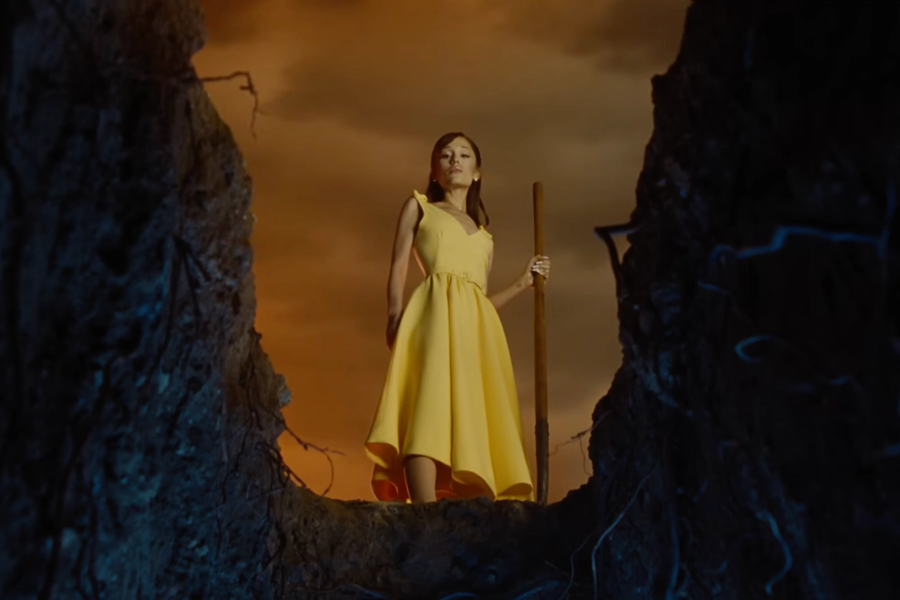
Directed by Cat Solen and Jamie Gerin, the visual places Rodrigo inside a strange retro hospital where broken hearts are treated like medical emergencies. Dressed as a mid-century nurse, she moves through handcrafted hallways, examining failing hearts and searching desperately for a remedy. The further the story unfolds, the more obvious it becomes that she's not the healer in this world. She's the patient.
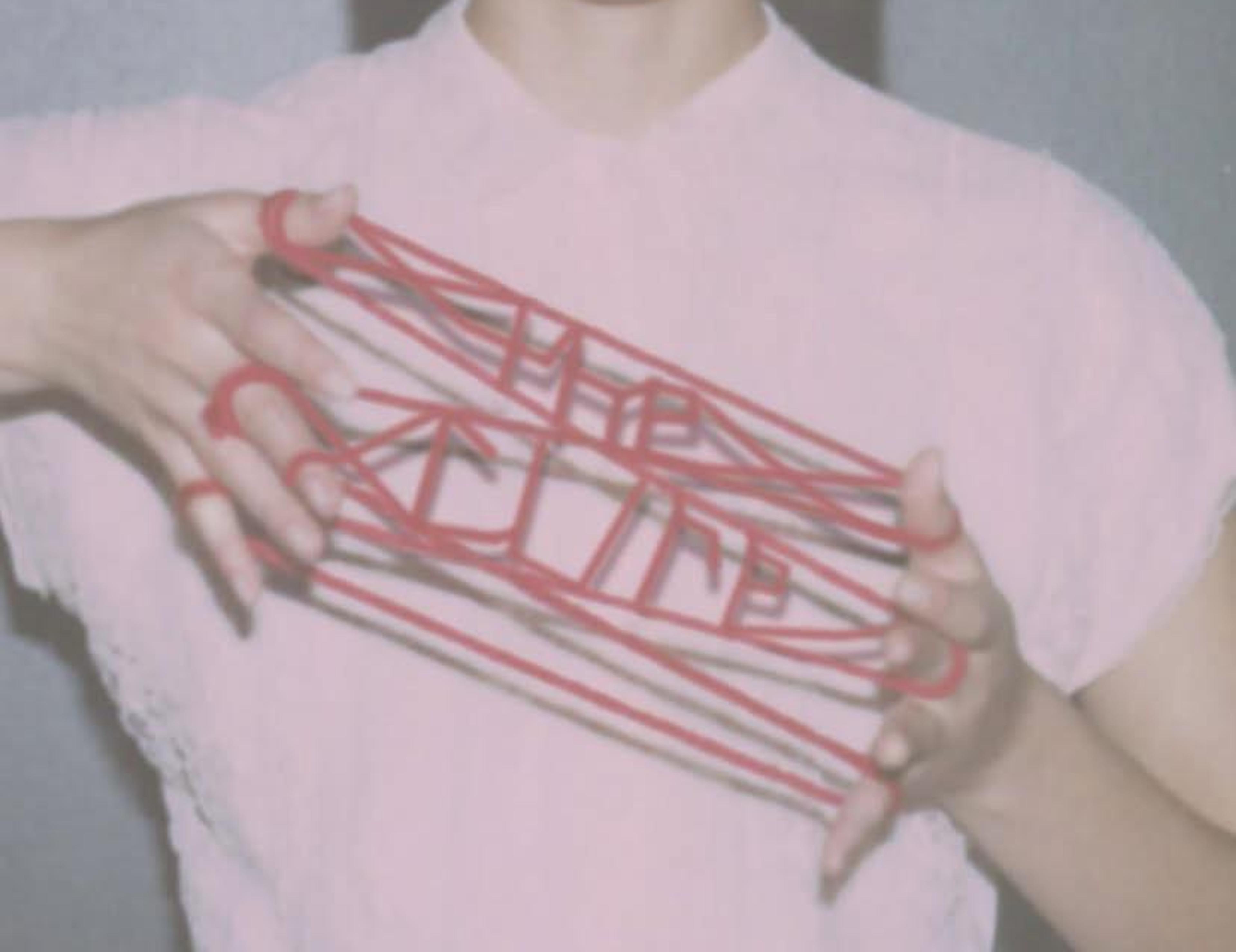
The video's handmade aesthetic gives it a dreamlike quality. Cardboard sets, stitched details, crimson strands of yarn, and deliberately artificial props create a world that feels caught somewhere between a children's storybook and a psychological horror film. Rather than relying on expensive visual effects, the production embraces practical artistry, making every frame feel thoughtfully constructed.
The symbolism isn't subtle, but it doesn't need to be. Hearts lose their color. Treatments fail. Red threads connect Rodrigo to the pain she's trying to cure. By the end, the message becomes clear: some wounds can't be healed by another person. The antidote she's searching for doesn't exist in a bottle, a laboratory, or a relationship. It has to come from within.
That's what makes both the song and video resonate. Neither offers a neat resolution. Rodrigo isn't celebrating self-discovery or pretending she's found the answer. Instead, she captures the frustrating realization that emotional baggage doesn't disappear simply because someone loves you. It's an uncomfortable truth, but one that feels remarkably honest.
With "The Cure," Olivia Rodrigo delivers one of her most mature artistic statements to date. The song showcases her growth as a songwriter, while the video proves she's becoming an increasingly ambitious visual storyteller. Together they form a compelling piece of work that lingers long after the final frame fades to black.