
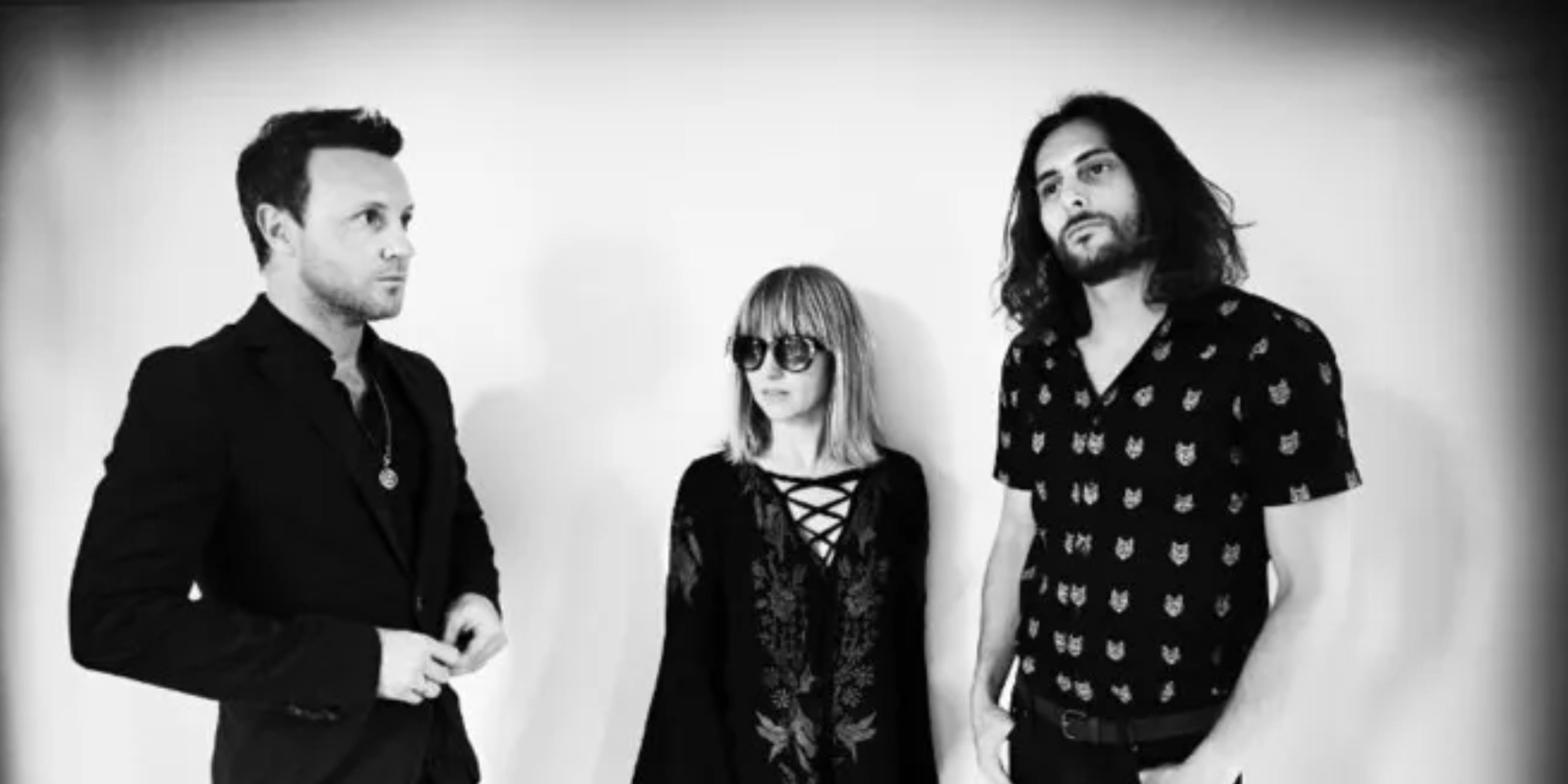
LMB Philly caught up with the band before their show at the Ardmore.
Mock Interview: The Joy Formidable — 2026 Comeback Tour Special
Interviewer: It’s been a while since fans last saw you out on a full-scale tour. What made 2026 feel like the right time for a return?
Ritzy Bryan: We never wanted to come back just for nostalgia. The timing had to feel creative, not strategic. Over the last year, we started writing again without pressure, and suddenly everything felt alive in a way we hadn’t experienced for a while.
Rhydian Dafydd: We missed the physicality of being a band in a room together. Some songs only make sense when they’re loud enough to shake the floor.
Interviewer: The word “comeback” gets thrown around a lot. Does it feel like a comeback to you?
Matt Thomas: Not really. We never stopped being musicians. We just stepped back from the machine for a bit. This feels more like reopening a conversation with people.
Ritzy Bryan: Exactly. We weren’t interested in recreating 2011 or trying to cosplay our younger selves. This version of the band has lived a bit more.
Interviewer: Fans online have been calling the new material “heavier but more emotional.” Is that accurate?
Ritzy Bryan: Probably, yeah. There’s more space in the songs now. We’re less afraid of restraint, which strangely makes the heavy moments hit harder.
Rhydian Dafydd: Age changes your relationship with noise. When we were younger, everything exploded immediately. Now we like tension more.
Interviewer: Was there a specific moment when you realized the band chemistry was still there?
Matt Thomas: First rehearsal. No question. We started jamming an old song and halfway through everyone just looked at each other like, “Oh… there it is.”
Ritzy Bryan: It felt instinctive again. A little dangerous too — which is usually a good sign for us creatively.
Interviewer: Your early records became hugely important to a generation of indie and alternative fans. Do you feel pressure carrying that legacy into a new era?
Ritzy Bryan: I try not to think in those terms because it freezes you creatively. People connected to those records because they were honest in the moment. The new music has to work the same way.
Rhydian Dafydd: Also, fans grow up with you. They don’t necessarily want the exact same record again. They want something real.
Interviewer: What can people expect from the 2026 live shows?
Matt Thomas: Bigger dynamics. Louder guitars. Probably too many pedals.
Ritzy Bryan: Chaos, hopefully. But intentional chaos. We want the shows to feel immersive — not overly polished. Some modern gigs feel so controlled they lose danger completely.
Rhydian Dafydd: We’d rather have a moment that’s imperfect but unforgettable.
Interviewer: Has reconnecting with fans after the break surprised you?
Ritzy Bryan: Completely. We’ve had people tell us they met their partner at our shows, or that certain songs carried them through difficult years. You never fully grasp that impact while you’re making the music.
Matt Thomas: It’s strange in the best way. Songs you wrote in a tiny practice room suddenly become part of people’s lives for over a decade.
Interviewer: There’s a renewed interest right now in guitar-driven alternative music. Do you feel connected to that resurgence?
Rhydian Dafydd: Maybe accidentally. Trends move in circles, but we’ve never been good at chasing them anyway.
Ritzy Bryan: Guitar music never disappeared emotionally — people still crave catharsis and release. Maybe audiences just missed bands willing to sound genuinely unhinged sometimes.
Interviewer: Final question: what does success for this new chapter of The Joy Formidable look like?
Ritzy Bryan: Making something that still surprises us.
Matt Thomas: Surviving tour buses again.
Rhydian Dafydd: And finishing a show with our hearing mostly intact.